Outdoor LED
All-weather outdoor LED for advertising, sport and signage, built for brightness and the elements.
Outdoor LED displays for Australian conditions
An outdoor LED display has a harder job than any screen indoors. It has to stay readable in full sun at midday, dim back at night so it doesn't dazzle the street, and keep running through heat, wind and rain for years. We supply three Dicolor outdoor ranges. The right one depends on how far away people stand, how much sun hits the screen and how you'll reach it for service.
Which range suits which job
The ME Series is the one for big, bright screens. It runs 7,500 to 10,000 nits at 6.67, 8 or 10 mm pitch, is sealed to IP66 and IP69K, and services from the front or the back. Digital billboards, roadside signs and sport are its home ground.
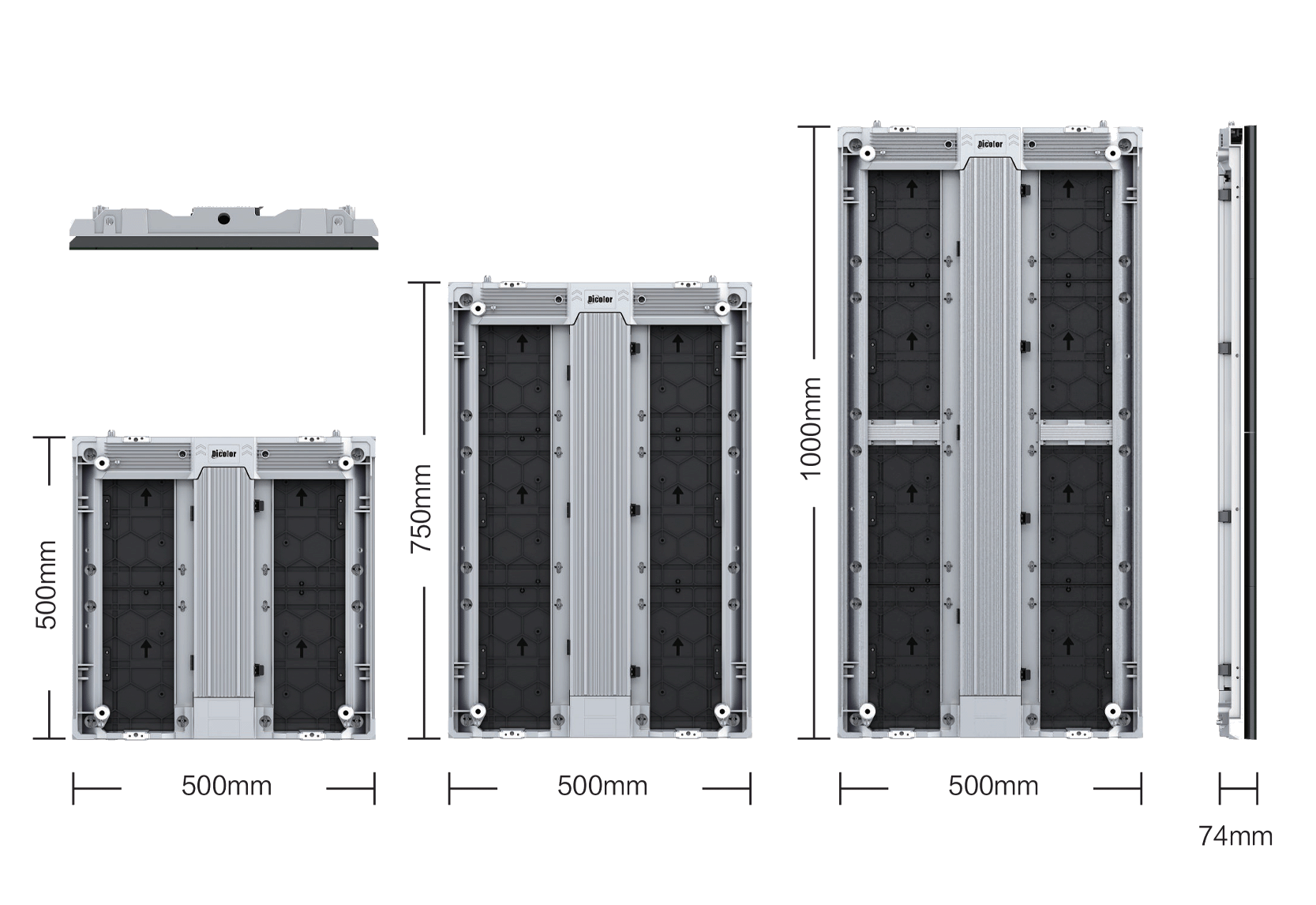
The MP Series is for outdoor screens people see up close. Pitch runs from 2.6 mm to 10 mm, brightness up to 10,000 nits at the larger pitches, and the die-cast cabinets are IP65 and 68 mm deep. Shopfronts, building facades and precinct screens suit it. An MP480 runs the 130.5 m² facade at Burnside Village in Adelaide.
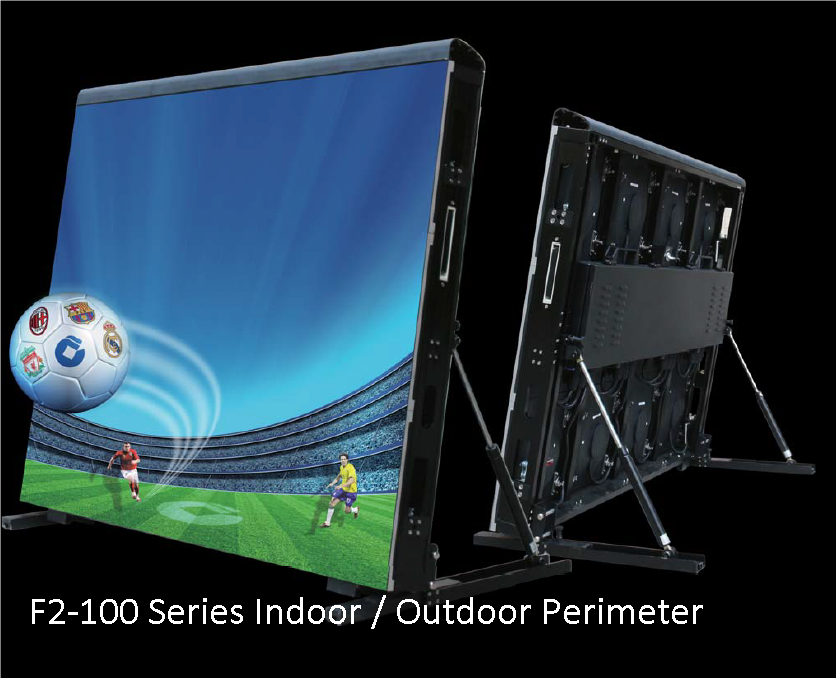
The F2-100 is a P10 screen built for long viewing distances, roughly 10 to 100 metres. It puts out 6,000 nits, is IP65 at the front, and its 1280 x 960 cabinets stack on ground-support frames. Stadium perimeter advertising and large-format signs are where it earns its keep.
Councils, government and public spaces
A growing share of outdoor LED work comes from councils and public bodies. Think town square screens, sporting precincts, aquatic and library centre signage, and event sites. These jobs usually involve a tender, a structural engineer and an asset that has to last. We work alongside your integrator from concept to handover, and we get the spec, power and weight detail on paper early so the structural and electrical design can move.
Billboards and digital out-of-home
On an advertising screen, brightness and uptime decide the revenue. The ME and MP Series run at 7,680 Hz refresh, so the image holds up on phone cameras and broadcast. With a light sensor fitted, the screen sets its own brightness for the time of day and the weather, the way the Burnside Village facade does.
What to sort out before you specify
Four things decide an outdoor screen. The closest viewing distance sets the pitch. The sun on the site sets the brightness. Service access, front or rear, shapes the structure. Then there are the power and data runs. Send us those and we'll come back with a recommendation, a power and weight schedule, and drawings your engineer can work from. For a quick first pass on size, resolution and power, try the LED Wall Designer, or read our guide to indoor vs outdoor LED.
Support once it's up
Outdoor screens get rained on, baked and occasionally hit. We're based in Adelaide and support Dicolor screens around the country. If something goes wrong, you talk to the people who supplied it, and we come to site.
Not sure which outdoor screen you need?
Tell us the site and the viewing distance, and we will recommend the right Dicolor display.
LED screen display technology for the Australian market. Australian-based sales, technical and service support.